

Colosseum, Roman Forum & Palatine Hill
More Tickets
Heading
More TicketsHeading
More TicketsColosseum Skip-the-Line Tickets - Prices, Tours & Visitor Information
Visiting Rome's Colosseum
- Visit Rome’s most iconic ancient landmarks with a single ticket that includes the Colosseum, Roman Forum, and Palatine Hill.
- Explore the arena where gladiators once fought, walk through the ruins of ancient government buildings, and enjoy panoramic views over the Eternal City.
- Timed entry is required, and advance booking is strongly recommended to secure your preferred time slot.
Colosseum - Quick Information
- Colosseum Address: Piazzo del Colosseo, 1, Rome, 00184
- Colosseum Opening Hours: Daily from 08:30
- Recommended Visit Time: 3-5 hours (depending on if you want to include Palatine Hill and Roman Forum & Mamertine Prison)
- Colosseum Tickets: Most tickets also include access to Roman Forum, Palatine Hill and/or Mamertine Prison
- Timed Entry: All Colosseum tickets have timed entry
Colosseum Skip-the-Line Entry WARNING
- Colosseum tickets ALL have entry times, so no true 'skip-the-line' option exhisits as all visitors are required to wait inline and go through the security point.
- The 'skip-the-line' element only referes to booking online and avoiding the queues at the onsite ticket office.
Is the Colosseum Worth Visiting?
The Colosseum is one of Rome's most popular landmarks and attractions and popular if:
- Visitors enjoy UNESCO World Heritage Sites steeped in history
- Want to explore one of the worlds most famous landmarks in person
- If visitors want to see where real life gladiator battles used to take place
What Visitors Can See At The Colosseum
Depending on ticket choice visitors can see:
- The different levels of the Colosseum with options including the Emperor's Box & Gladiator's Gate
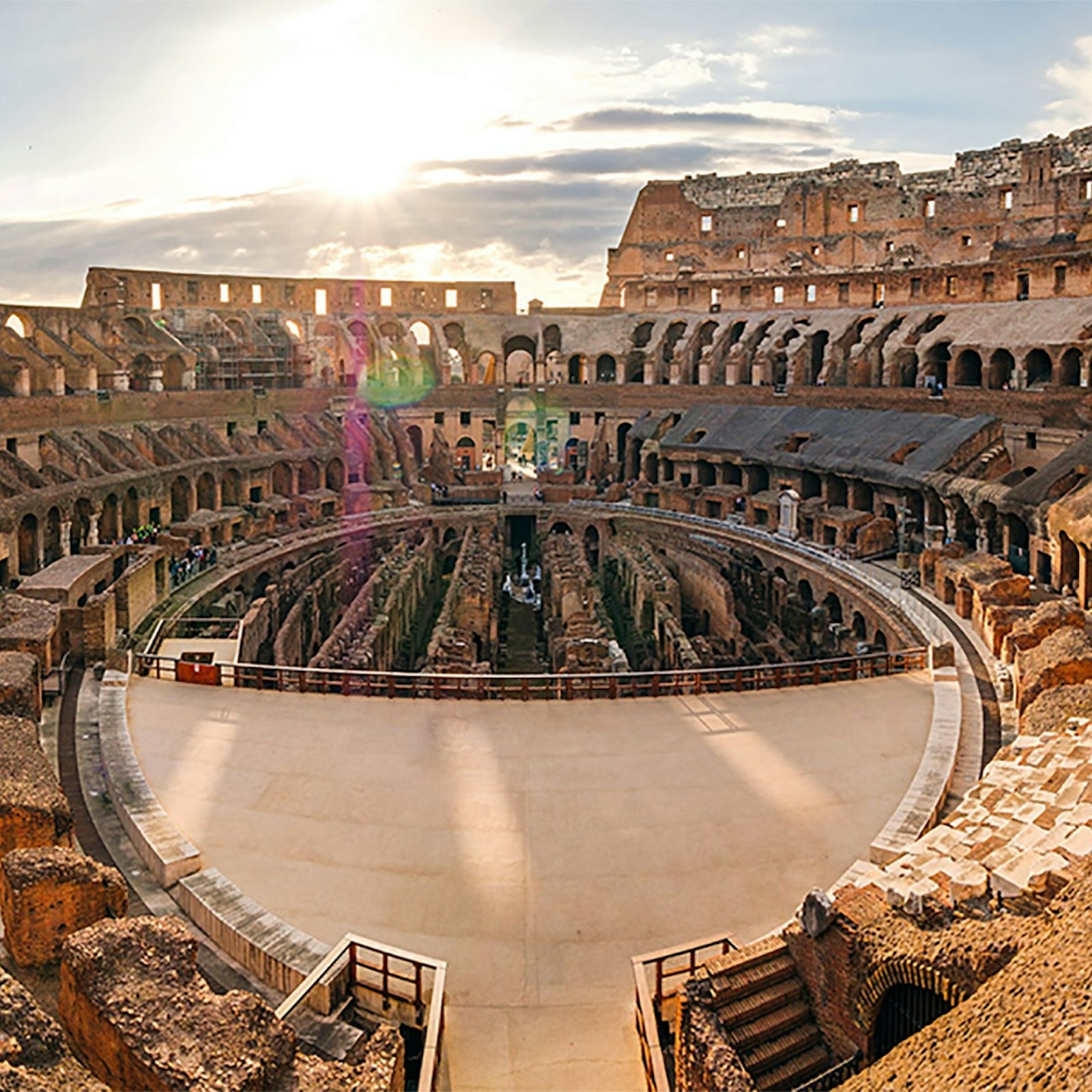
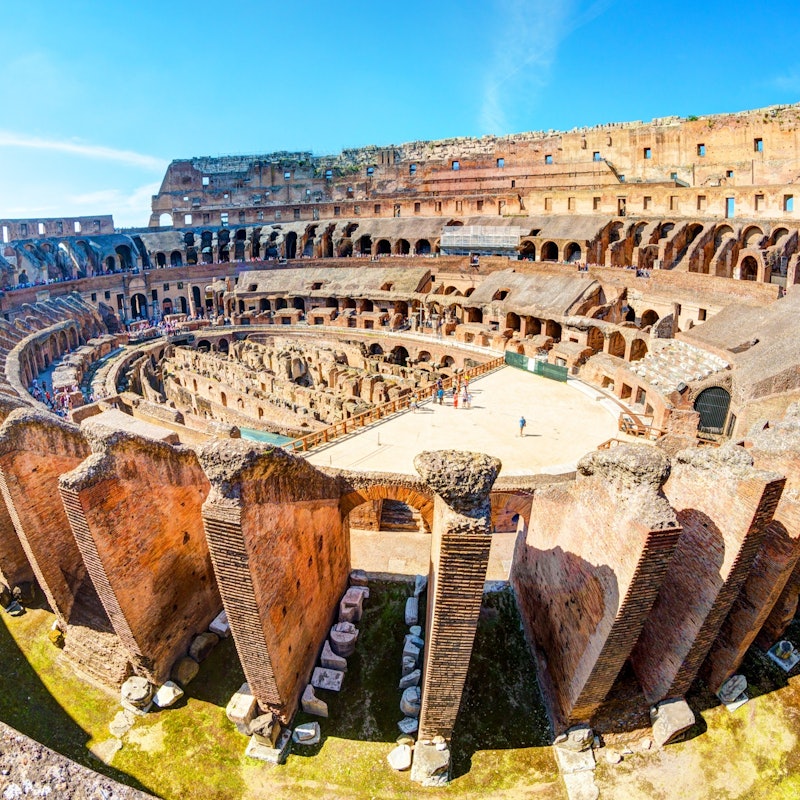
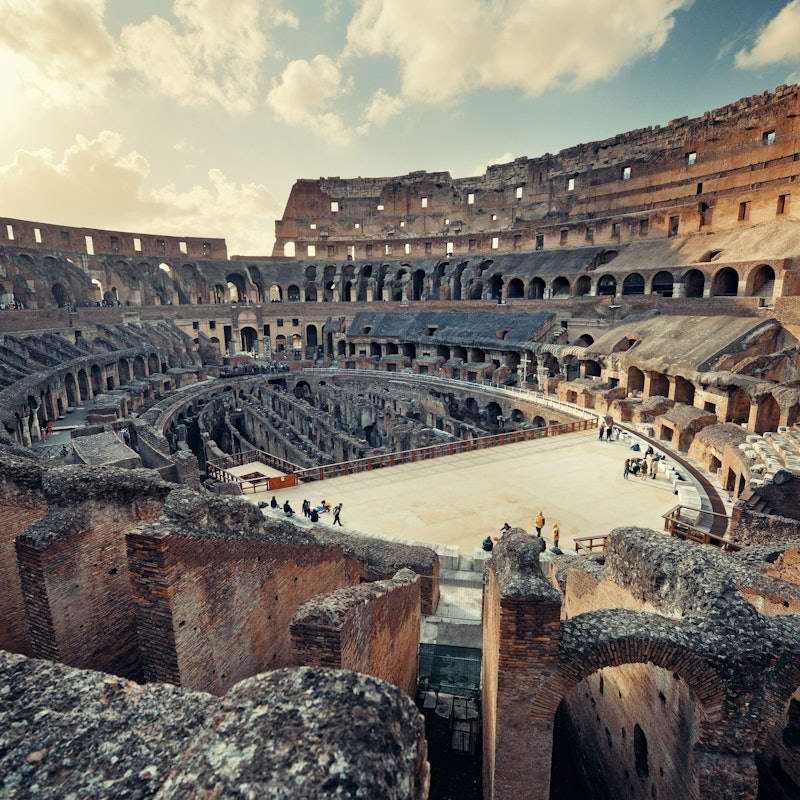
- The network of tunnels and chambers under the arena floor where the gladiators and wild animals used to wait for their turn to enter the grand stage.
- The arena floor
- The seating areas
See Colosseum Ticket Options & Book Now
Colosseum: Priority Entrance Tickets
What's Include
- Colosseum: Priority Entrance Ticket
- Roman Forum & Palatine Hill: Entry Ticket
- Mamertine Prison: Entry Ticket
Colosseum + Arena Floor: Entry Tickets
What's Included
- Colosseum & Arena Floor: Entry Ticket
- Roman Forum & Palatine Hill: Entry Tickets
- Ancient Rome multimedia video (30 min)
- Paper city map
- Assistance at the meeting point
Colosseum Combination Tickets
What's Included
- Colosseum: Entry Ticket
- Vatican Museums & Sistine Chapel OR Castel Sant'Angelo: Entry Ticket
- St. Peter's Basilica OR Rome Pantheon: Entry Ticket
- Rome: City Audio Guide
- Bonus Discount
About The Colosseum
The Colosseum is the largest ancient amphitheatre ever built and one of the most visited and famous monuments in the world.
Constructed between 72-80 CE under Emperors Vespasian and Titus, it once hosted gladiator fights, public spectacles, and dramatic performances for up to 50,000 spectators.
It was actively used for around 500 years until the 6th century and is now a UNESCO World Heritage Site, one of the 'Seven Wonders of the Modern World' and the ultimate symbol of Ancient Rome.
It was known as the 'Flavian Amphitheatre' and not the Colosseum. Had visitors asked for directions to the Colosseum at the time, the locals wouldn't have known what you were talking about.
Colosseum Architecture
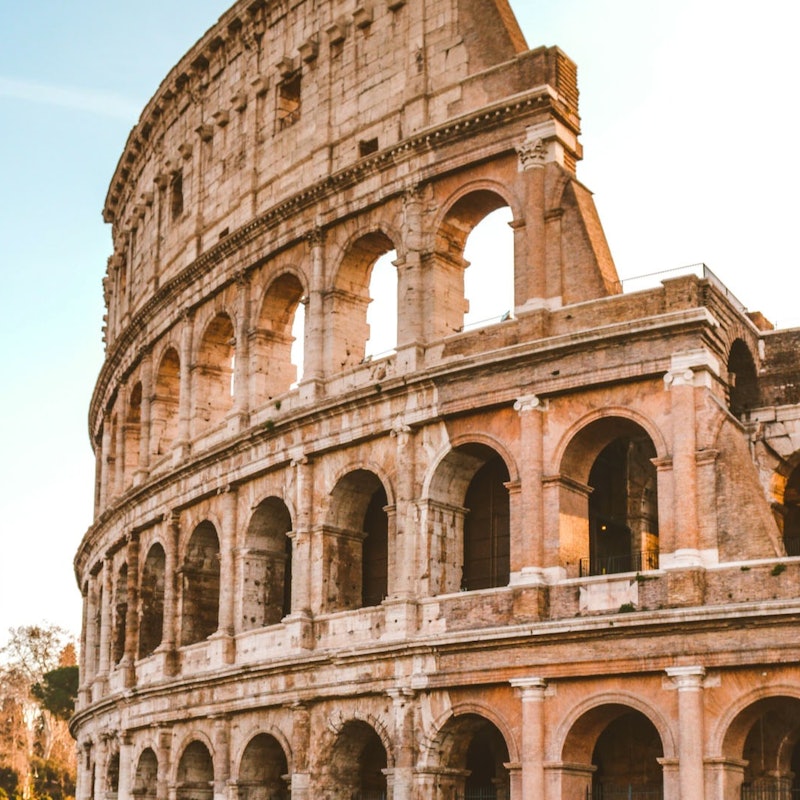
- The Colosseum was built using concrete, sand and stone. The outer façade is made from travertine limestone. The elliptical shape and towering façade makes it instantly recognisable.
- The design includes a complex system of ramps, tunnels and elevators underneath the arena, which is where the gladiators and animals were kept.
- It had a capacity to hold up to 80,000 spectators and shows Roman engineering ingenuity.
- The outside is covered with three distinct orders of columns - Doric, Ionic, and Corinthian, which reflect the grandeur of classical Roman architecture.
Spectators were assigned seats according to their wealth and status, with the various areas offering different views, much like going to an arena now and the best views commanding the most expensive tickets.
Some of the mechanical processes used to open the trapdoors on the arena floor were incredible feats of engineering, which allowed the dramatic entrance for the gladiators and wild animals.
The Colosseum suffered significant damage over the centuries. An earthquake caused major damage in 1300s along with water damage due to the poor ground quality underneath and stone-looters.
It has had multiple renovation projects over the years to stop its decline and to preserve its architectural beauty. The latest was in 2017 which allowed for the reopening of the 4th and 5th tiers, which now offers views of the surrounding areas.
About The Roman Forum
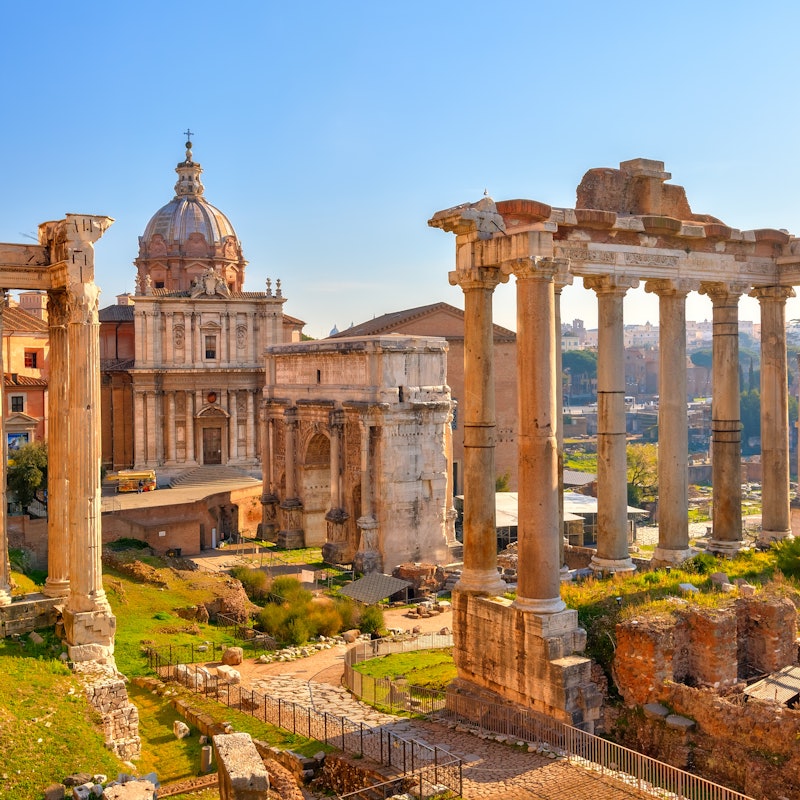
The Roman Forum is in the heart of Rome and was originally built as a marketplace and the centre of political, commercial and social life in Rome.
It had several important buildings including the Senate House (called the Curia), and the Speaker's Platform (called the Rostra), as well as the local law courts (the Basilica Julia).
The Roman Forum features incredible architecture including the Temple of Saturn, the Arch of Septimius Severus, the Temple of Vesta and the Basilica of Maxentius.
Historical events such as the funeral of Julius Caesar and the trail of apostle Saint Paul would have been held there.
The Roman Forum was buried for centuries. It wasn't recovered until the 18th century when excavation works uncovered it again.
About Palatine Hill
Palatine Hill is where the aristocrats and emperors lived and was one of the most desirable neighbourhoods.
It was one of the seven hills of ancient Rome and holds important historical and archaeological significance as it is believed to have been the birthplace of Rome itself, by Romulus, the mythical founder, in 753 BC.
Palatine Hill is now an open-air museum which allows visitors to explore the ancient ruins and imagine how life was at the time.
What Visitors Can See At Palatine Hill
- A fascinating picture of what life used to be like when the emperors and aristocrats lived there with their imperial palaces and lavish gardens that would have been home to big statues and shows of wealth and power.
- Visitors can see the ruins of Domus Flavia, House of Livia, House of Augustus, Farnese Gardens, Hippodrome of Domitian and Palatine Museum.
Colosseum, Roman Forum & Palatine Hill
More Tickets
Useful Information About The Colosseum, Rome
The Colosseum, Rome Address
- Colosseum, Piazzo del Colosseo, 1, Rome, 00184
How to get to the Colosseum
- Metro: From Rome Termini Station simply take metro Line B and get off at 'Colosseo' Station (Colosseum Station). The trip is less than 5 minutes from Rome Termini.
- Bus (tickets can be bought at tobacco shops and newspaper stands): Local Buses 3, 8, 30, 40, 60, 75, 38, 87, 810 and 870 all sop at the Colosseum Bus Stop which is called 'Piazza del Colosseo'
- North Rome Buses: Lines 38 and 75
- South Rome Buses: 175 and 271 both go to the Colosseum
- Tram (you can purchase tickets at newspaper stands, tobacco shops or metro stations): Tram lines 3 and 8 go to the Piazza del Colosseum
- Car Parking at the Colosseum: Roma - Parcheggio Park Colosseo | Park Services Colosseo | Onepark - Parcheggio Roma - Colosseo & Parcheggio San Pierto in Vincoli are all local car parking facilities, but please note spaces may be very limited.
Colosseum Opening Hours
- Monday: 09:00 - 19:15
- Tuesday: 09:00 - 19:15
- Wednesday: 09:00 - 19:15
- Thursday 09:00 - 19:15
- Friday: 09:00 - 19:15
- Saturday: 09:00 - 19:15
- Sunday: 09:00 - 19:15
Hint to avoid the BIG queues at the Colosseum
Book tickets in advance to avoid the MASSIVE queues that form for the Colosseum and where possible, try and visit in the morning. Several of our tickets also come with priority entrance.
Fun Facts
- Records suggest it only took around 8 years to build the Colosseum.
- Around 16,000 people visit the Colosseum each day and that increases to around 25,000 people during the peak summer period.
- The name 'Colosseum' is believed to have originated from the colossal statue of Nero that once stood nearby!
- TRAP DOORS - The Colosseum had complex system of trapdoors and lifts which allowed for surprise entrances and exits during its matches.
- The Colosseum is one of the most iconic symbols or Rome and is even featured on the Italian version of the five-cent euro coin.
- The network of tunnels underneath the Colosseum are known as the 'Hypogeum' and its where the Gladiators, animals and props were kept.
- The Colosseum has been struck by lightning on multiple occasions and some of the damage is still visible today.
Colosseum, Roman Forum & Palatine Hill
More Tickets
Colosseum, Roman Forum & Palatine Hill Tickets
FAQ

If visitors are only visiting the Colosseum, it takes around 60 minutes, depending on what ticket visitors purchase. If visitors are buying full Colosseum access tickets, which includes access to the arena floor and the underground areas, it will take longer to explore. If visitors are also including Palatine Hill and Roman Forum and Mamertine Prison access, it will take around half-a-day to see all sites.
Visitors can buy skip-the-line tickets for the Colosseum yes, but they aren't skip-the-line in the normal way. Colosseum skip-the-line tickets simply means visitors can reserve tickets ahead online to avoid the queue at the ticket office. However, all visitors still need to go through security and there aren't any skip-the-line tickets for that part. Visitors need to wait in line.
There is a ticket office on site but queues can be hours long and each day has a maximum capacity of tickets allowed, so it is easier and more convenient to book tickets online. It can save you a lot of time and booking online in advance means visitors are more likely to get their preferred entry time, as all tickets have timed entry.
Generally, yes, you need a ticket to enter the Colosseum. There are certain times of the year when you can enter for free, but you still need a free-entry ticket in the event and they are limited. For standard entrance, you do need to purchase a ticket for the Colosseum. The basic entrance Colosseum ticket starts from €24.00 and that also gets you entry to Palatine Hill and the Roman Forum, which are both located a short distance from the Colosseum.
No. You need to buy the appropriate ticket to get access to the Colosseum Arena Floor and or the Colosseum Underground. The basic Colosseum entrance ticket doesn't get you access to those areas.
The Colosseum in Rome is an amphitheatre built during the Roman Empire times. Historically it wasn't actually called the Colosseum. Its real name was the 'Flavian Amphitheatre'. It was built by the Roman Emperor Vespasian as an entertainment venue to host such things as gladiator battles, animal hunts and public executions, amongst other forms of entertainment at the time. The Colosseum fell into disrepair after it stopped being used and it wasn't until the 1990's that a state funded restoration project began. The Colosseum is now one of the biggest tourist attractions in Italy with around 6 million people visiting each year!
Yes, with the Colosseum being one of the most popular tourist attractions in Rome, its very common to encounter long queues. We always suggest buying tickets in advance for this reason as we sell Skip The Line tickets, especially if you are visiting in peak Summer months, believe me, you will be grateful you bought your tickets ahead of time!
The answer to this one is it depends on the ticket you purchase. But various ticket options means you can see inside the Colosseum, parts of the arena floor and underneath the arena floor.
The Colosseum in Rome was used as an amphitheatre and would put on events such as the infamous Gladiator battles, animal hunts, mock naval battles as well as public executions.
Its believed the Colosseum was built between 72 and 80AD
Yes, the Colosseum is in the centre of Rome.